
Separating Goodwill From Sale Value
How much of your value is personal reputation, and how to shift more of it into the transferable column before you go to market.
Run the estimator →

Home / Who We Serve / Plastic & Cosmetic Surgery
Tier-1 Specialty · Sell-Side M&A
A plastic surgery practice sells on the part of its value that transfers to a new owner, not on the reputation that walks out the door with the surgeon. Confidential, sell-side-exclusive representation, from valuation through buyer negotiation and close.
A confidential ballpark in under two minutes, no email required.
Why Surgical Practices Are Different
The hardest question in valuing a surgical practice is which part of its value belongs to you and which part belongs to the business. Much of what brings patients through the door is personal goodwill: your name, your hands, your before-and-after results, the surgeon they came to see. A buyer cannot purchase that and carry it home. What a buyer can purchase is the transferable practice value: the referring physicians who send patients, the surgical team and its expertise, the equipment and facilities, the brand, and the systems that keep the schedule full when you are not in the room. Separating those two pools of value is the central work of getting paid fairly for what you built.
Plastic surgery centers sit in a unique position in aesthetics. Where a med spa serves quick, non-invasive visits, a surgical practice builds deeper, longer relationships with patients who make major decisions and pay premium prices for life-changing results, then often return for additional procedures and increasingly for non-surgical treatments too. That dual revenue stream and the head start of having referring doctors, a trained team, and facilities already in place are exactly what investment groups now value as they move from acquiring med spas toward acquiring surgical centers. A strategic valuation positions all of it, so you walk into buyer conversations knowing what you have built and what it is worth.
The single largest swing in a surgical valuation is how much revenue depends on you personally. The more your schedule runs on a trained team, referring physicians, and brand rather than your name alone, the more of the value transfers to a buyer, and the higher the multiple.
Buyers underwrite profit, not headline revenue. Patient lifetime value, the profitability of each procedure type, and consistent margins across diverse service lines all factor in. Practices that earn well across a broad mix command higher multiples than those leaning on a narrow band of procedures.
A surgical center that has added or can add non-surgical treatments diversifies revenue and reaches patients on more visit cycles. This dual stream, which a buyer can extend without building a new facility, is a core reason investment groups find surgical practices appealing.
Documented protocols, standardized treatment workflows, a scheduling and patient-management system, and a team likely to stay all reduce a buyer's risk. Operational maturity that runs without the founder translates directly into a higher valuation multiple.
| Single-surgeon, value tied to one set of hands | Low end of range | SDE basis (owner earnings) |
| Multi-surgeon or med-spa-integrated, team-run | Mid-range | Adjusted EBITDA |
| Scaled / platform-ready, systems and brand transfer cleanly | Top of range | Adjusted EBITDA |
Illustrative band for this vertical: roughly 2.5x to 12x. The low end reflects an SDE basis for a single-MD cosmetic practice; multi-MD, med-spa-integrated, and premium platform practices climb toward the high end. Multiples are shown as ranges by design; your practice may land higher or lower based on earnings quality, owner-dependence, and market. No invented numbers ship, and your real number comes from a confidential, practice-specific analysis.
How Value Is Built
The pattern is public: the more of your revenue that runs on a team, referrals, brand, and systems rather than your hands alone, the more value transfers to a buyer. Your confidential report normalizes your earnings, separates personal goodwill from transferable value, and shows exactly which moves shift more of the number into the column a buyer can pay for.
Run my numbers →See Your Number First
A confidential ballpark in under two minutes. No email required to see your range. The estimate is generated on your device. Nothing is stored or sent unless you choose to continue.
Step 1 · Instant ballpark
Estimated enterprise value
Practices like yours trade around 2.6x – 5.3x adjusted earnings.
What raises your number
What lowers your number
Step 2 · What you receive when you continue
Your custom valuation report. Comparable transactions, your likely buyer pool, and timing analysis.
Your buyer-readiness scorecard. The specific moves that raise your multiple before you go to market.
A confidential 30-minute strategy call with Bill Walker. No obligation, no pressure.
Your information is never shared, and we have never broken a client's confidentiality.
Estimate only. A ballpark from limited inputs plus published industry M&A benchmarks.
Surgical Practice Sellers Ask
How much of your value is personal reputation, and how to shift more of it into the transferable column before you go to market.
Run the estimator →Strong branding, repeat clientele, diversified services, scalability, and efficient operations are what make a practice attractive to acquirers.
See what buyers value →How layering in non-surgical treatments diversifies revenue and can raise both the multiple and the buyer pool.
Test the impact →Why strategic improvements made before going to market, not during, are what move the number.
Read the timing →Investment groups are moving from med spas to surgical centers; readiness and your own goals decide whether now is your moment.
Read your readiness →A baseline valuation gives surgeons nearing retirement, weighing an offer, or seeking capital a clear view of where they stand today.
Know where you stand →Surgical Track Record · Anonymized
Tombstone values redacted by design. The published board uses Aesthetic Brokers' verified, client-consented anonymized deals only.
What Specialist Advisors See That Generalists Miss
Selling a plastic surgery practice is not the same as selling a med spa or a dermatology clinic. The buyer pool is narrower, the compliance complexity is higher, and the value drivers are fundamentally different. A generalist business broker who has never closed a surgical deal will not know which buyers are actually acquiring in this space, how to frame OR access and facility certification as assets, or why the malpractice tail and non-compete structure can make or break a deal. Here is what those dynamics actually look like.
An accredited surgical facility with an established operating room is not something a buyer builds overnight. It takes years, capital, and regulatory approval. When that infrastructure already exists inside your practice, buyers are acquiring a scarce operational asset, not just a revenue stream. Practices with an accredited OR and active facility licensure occupy a different tier of the buyer conversation than those running purely in office or offsite.
Plastic surgery buyers are not buying commodity procedures. They are buying a physician brand with documented outcomes, a referring physician network, and the clinical reputation that keeps a premium patient pipeline flowing. The referral relationships your practice has built with primary care physicians, other specialists, and aesthetic-adjacent providers are transferable enterprise value that a buyer cannot replicate from scratch. We build the sale narrative around those relationships, not around you personally.
Large DSO-adjacent platforms, health system acquirers, and private equity groups building high-acuity aesthetic networks are the active buyers in this space. They are not looking for a lifestyle practice to maintain. They are looking for a foothold in a surgical specialty where high average case values and premium patient demographics support a platform strategy. Your practice needs to be positioned to speak that language, because the buyers who pay the most for a surgical center are not the same buyers who buy med spas.
Physician concentration is the most common value problem in this vertical. When the selling surgeon is the reason patients return and the reason referring physicians send cases, the practice has a key-person risk that buyers price in as a discount. Malpractice history, facility compliance gaps, credentialing issues, and a non-compete that does not survive legal review in your state can all move the number down significantly or kill a deal entirely. We identify and address these before we put the practice in front of a single buyer.
What AB Sees That a Generalist Broker Misses
A general business broker can run a sale process. What they cannot do is frame OR access as a strategic infrastructure asset, structure the malpractice tail correctly at close, identify which PE platforms have a surgical thesis active right now, or write a confidential information memorandum that speaks to a health system's M&A team. We have closed surgical deals. We know how the compliance review works, where non-competes get challenged, and which buyers pay for physician reputation versus which ones discount it. That knowledge lives in our prior deals, not in a textbook.
Surgical Practice Sale FAQ
A plastic and cosmetic surgery practice is valued on its normalized earnings, SDE for an owner-run practice or adjusted EBITDA for a larger one, with a multiple applied on top. The central adjustment is separating your personal surgical goodwill, which a buyer cannot purchase, from transferable value like your team, referrals, brand, and systems. The more value that transfers without you, the higher the multiple.
Personal goodwill is the value tied to you specifically, your name, reputation, results, and the patients who came for you. A buyer cannot take that home. Transferable value is everything that keeps running when you step back: referring physicians, the surgical team, equipment, brand, and documented systems. A buyer pays for transferable value, so shifting revenue away from your hands raises your sale price.
Investors find plastic surgery centers attractive because of strong branding, repeat clientele, diversified services, scalability, and efficient operations. These practices arrive with referring doctors, a skilled surgical team, and the facilities to handle premium procedures already in place, which would take other businesses years to build. Adding non-surgical treatments creates a second revenue stream that makes the center more appealing still.
You increase value by making strategic improvements 12 to 18 months before going to market, not during the sale. That means reducing how much revenue depends on you personally, documenting systems and protocols, retaining your team, broadening your procedure and service mix, and adding non-surgical revenue. Owners who make these changes well ahead of a sale present a cleaner, more transferable practice to buyers.
Yes. A valuation is not only for owners actively selling. It gives surgeons nearing retirement, anyone weighing a merger or acquisition offer, practices exploring expansion, and clinics seeking capital a clear baseline of where they stand today. Knowing your value now lets you plan your exit with confidence and target the specific improvements that will raise the number later.
Yes. A valuation begins with a confidential consultation, and nothing is shared with any buyer until you decide you are ready. We treat confidentiality as part of protecting your value, because premature word to staff, patients, or referring physicians can weaken your position. You control what is shared, with whom, and when, so you can simply learn where you stand with no obligation to sell.
Who you work with
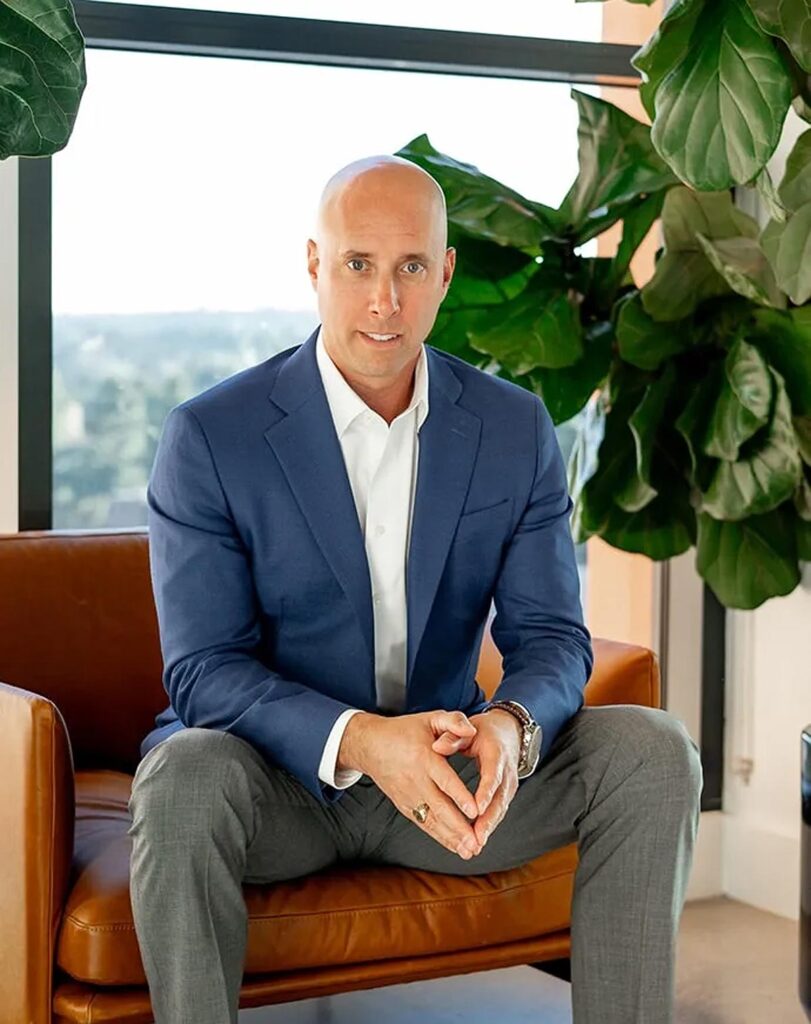
Bill Walker founded Aesthetic Brokers after leading mergers and acquisitions for a large private-equity-backed healthcare services organization. Before that he flew for the Marine Corps at the Presidential Helicopter Squadron and commanded a squadron in combat. He knows how an investor values a practice, and how to make sure that value lands with you, not the buyer.
Talk with Bill about your practiceStart with a confidential, two-minute read on where you stand.