
How Non-Surgical MedSpa Treatments Are Revolutionizing Future Beauty Treatments
Key Takeaways
• The future of non-surgical MedSpa treatments lies at the intersection of advanced technology, personalized medicine, and integrated wellness approaches.
• Successful practice positioning requires balancing innovation adoption with rigorous safety protocols and realistic outcome expectations.
• Practice value enhancement comes through diversified service offerings, documented operational systems, and development of leadership beyond founding owners.
The landscape of aesthetic medicine is experiencing unprecedented transformation as non-surgical MedSpa beauty treatments continue to evolve at a remarkable pace. For med spa owners, staying ahead of these innovations isn’t just about offering the latest services; it’s about positioning your practice for sustainable growth and competitive differentiation in an increasingly sophisticated market. The convergence of advanced technologies like AI-powered skin analysis and next-generation facial filler innovations is creating new opportunities for practices to deliver superior outcomes with minimal downtime and maximum patient satisfaction. This evolution represents both challenge and opportunity: practices that successfully integrate these emerging technologies and treatments can significantly enhance their value proposition, operational efficiency, and ultimately, their enterprise value in the marketplace.
Technological Innovations Reshaping the MedSpa Landscape
The technological revolution in non-surgical aesthetic treatments has fundamentally altered what’s possible within the four walls of a modern MedSpa. Today’s innovations focus on delivering superior results while minimizing recovery time and maximizing safety profiles, a combination that resonates strongly with the modern aesthetic consumer.
AI-powered skin analysis platforms have transformed the initial patient consultation process, providing objective, data-driven assessments that enhance treatment planning and outcome predictability. These sophisticated systems analyze facial morphology, skin condition, and aging patterns to create personalized treatment recommendations that far exceed what was possible with traditional visual assessment alone. For MedSpa owners, this technology represents a significant opportunity to improve conversion rates through enhanced patient education and expectation management.
Simultaneously, non-invasive body contouring devices have evolved beyond simple fat reduction to offer comprehensive body sculpting capabilities. The latest generation of these technologies combines multiple modalities (cryolipolysis, radiofrequency, and ultrasound) to address fat, skin laxity, and muscle tone in integrated treatment protocols. CoolSculpting and its newer competitors have expanded their applicator options to treat more areas with greater precision, while emerging technologies are reducing treatment times and improving patient comfort.
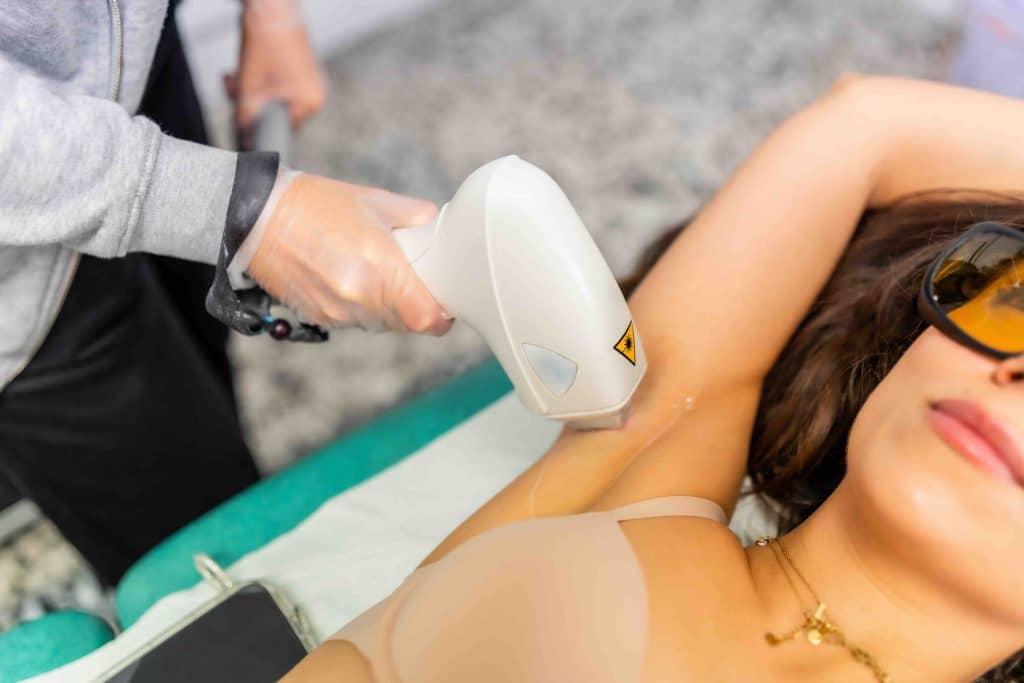
Laser and light therapy advancements continue at a rapid pace, with newer devices offering unprecedented specificity in targeting different skin concerns. Fractionated lasers now provide more precise depth control and reduced downtime, while combination devices integrate multiple wavelengths to address multiple concerns in a single session. The integration of cooling technologies has further improved patient comfort and safety profiles, expanding the potential patient base for these treatments.
Perhaps most intriguing is the rise of at-home MedSpa devices that complement in-office treatments. Rather than viewing these as competition, forward-thinking MedSpa owners are incorporating them into comprehensive treatment plans that combine professional interventions with supported home care. This approach enhances results while strengthening patient relationships and creating recurring revenue streams through product sales and maintenance treatments.
Popular Non-Surgical Treatments Driving Practice Growth
The evolution of injectables represents one of the most significant growth areas in non-surgical aesthetic medicine. Beyond traditional Botox and dermal fillers, the market has expanded to include innovative biostimulators that trigger the body’s natural collagen production for longer-lasting, more natural-looking results. These advanced injectables are creating new treatment categories that bridge the gap between traditional fillers and surgical interventions.
Juvederm and Restylane continue to expand their product lines with specialized formulations for different facial areas and aging concerns. Meanwhile, Sculptra and Radiesse have established the biostimulator category, offering longer-duration results through collagen stimulation rather than simple volume replacement. For MedSpa owners, these expanded options enable more customized treatment plans that address the unique needs of each patient while creating opportunities for premium pricing.
Chemical peels and microneedling have undergone significant refinement, with new protocols that enhance results while reducing recovery time. Advanced delivery systems for chemical peels allow for more controlled application and predictable penetration depths, while automated microneedling devices like SkinPen and Dermapen have standardized treatment delivery for more consistent outcomes. The combination of these treatments with growth factors, peptides, and other bioactive compounds has further enhanced their efficacy.
Non-invasive fat reduction technologies have expanded beyond CoolSculpting to include heat-based systems like SculpSure, electromagnetic muscle stimulation, and injectable fat dissolvers. This diversification allows practices to address body contouring concerns with greater specificity and effectiveness. The trend toward combination protocols, using multiple modalities in sequence, has produced superior outcomes that approach surgical results in properly selected patients.
Skin tightening technologies utilizing ultrasound and radiofrequency have matured significantly, with Ultherapy and Thermage leading the category but facing competition from newer systems with improved comfort profiles and treatment protocols. These technologies have become essential components of comprehensive facial rejuvenation programs, addressing skin laxity concerns that previously required surgical intervention.
Consumer Trends & Preferences Shaping MedSpa Strategy
The demand for minimal downtime solutions continues to drive innovation in the non-surgical space. Today’s aesthetic consumers prioritize treatments that allow them to maintain social and professional schedules with minimal interruption, creating strong market preference for “lunchtime procedures” and gradual-result protocols. This trend aligns with broader societal shifts toward work-life integration and the normalization of aesthetic maintenance.
Personalization has become a defining characteristic of successful MedSpa practices. Patients increasingly expect customized treatment plans that address their specific concerns, skin type, and aging patterns rather than one-size-fits-all approaches. This shift requires practices to invest in comprehensive assessment technologies and staff training to develop truly individualized protocols. The practices that excel in personalization typically command premium pricing and enjoy higher patient retention rates.
Perhaps most significant is the rise of preventative aesthetics, with younger patients seeking early intervention to slow the aging process rather than correction of established concerns. This demographic shift has profound implications for practice marketing, service offerings, and long-term business strategy. Practices that successfully capture this younger demographic can establish decades-long relationships that significantly enhance lifetime patient value and practice stability.
The growing male demographic represents another important trend, with men increasingly seeking non-surgical treatments for both facial rejuvenation and body contouring. This market segment often requires specialized marketing approaches and subtle modifications to treatment protocols to achieve masculine-appropriate results. Practices that effectively target male patients can tap into a less competitive market segment with strong growth potential.
Safety, Regulation & Ethical Considerations in the Evolving Landscape
The regulatory environment for non-surgical aesthetic treatments continues to evolve, with increasing scrutiny from both federal and state authorities. Forward-thinking MedSpa owners are proactively implementing robust compliance programs that exceed minimum requirements, recognizing that regulatory excellence represents both risk mitigation and competitive advantage. These programs typically include comprehensive staff training, detailed documentation protocols, and regular compliance audits.
The distinction between professional treatments and at-home devices has become increasingly important as consumer-grade technologies improve in sophistication. Successful practices are clearly articulating this difference through patient education that emphasizes the importance of professional assessment, customized protocols, and skilled application. This approach positions the practice as a trusted advisor rather than simply a service provider.
Managing patient expectations has become a critical component of practice risk management and reputation protection. The proliferation of filtered images on social media has created often unrealistic expectations that practices must carefully address through comprehensive consultation processes. Documentation of these discussions, including photographic examples of realistic outcomes, has become standard practice in leading MedSpas.
The influence of social media on patient expectations and treatment requests presents both opportunity and challenge. While social platforms can drive awareness and interest, they can also promote inappropriate treatments or unrealistic outcomes. Practices that develop effective strategies for leveraging social media while counteracting its potential negative influences can build stronger patient relationships and more sustainable growth.
Challenges & Future Outlook for MedSpa Businesses
The balance between treatment efficacy and safety remains the central challenge in non-surgical aesthetics. As technologies push the boundaries of what’s possible without surgery, the risk profile of some treatments has increased, requiring more sophisticated patient selection, informed consent processes, and complication management protocols. Practices that excel in these areas can safely offer advanced treatments while minimizing risk exposure.
The management of long-term outcomes has gained importance as the field matures and patients receive multiple treatments over extended periods. Leading practices are implementing longitudinal tracking systems that monitor cumulative treatment effects and guide appropriate treatment planning over time. This approach enhances both safety and effectiveness while strengthening patient relationships through demonstrated long-term commitment to outcomes.
The integration of aesthetic treatments with holistic wellness represents both opportunity and challenge. Patients increasingly seek comprehensive approaches that address skin health, body composition, and aging management from both external and internal perspectives. Practices that successfully integrate medical aesthetics with nutrition, hormone optimization, stress management, and other wellness services can create distinctive market positions and enhanced revenue streams.
Perhaps the most significant long-term challenge is addressing global access disparities in aesthetic medicine. While urban centers in developed countries have seen explosive growth in non-surgical options, many regions have limited access to safe, effective treatments. Innovative business models that expand access while maintaining quality standards represent both social impact opportunity and potential market expansion.
Sustainability & Innovation in Practice Development
Environmental sustainability has emerged as an important consideration in practice operations, with patients increasingly concerned about the ecological impact of their aesthetic choices. Leading MedSpas are implementing eco-friendly product selections, waste reduction programs, and energy-efficient operations, not only as ethical imperatives but as marketing differentiators that resonate with environmentally conscious consumers.
Sustainable business practices extend beyond environmental concerns to include staff development, community engagement, and long-term planning. Practices that invest in comprehensive staff training, career advancement opportunities, and positive workplace cultures typically experience lower turnover, higher productivity, and stronger patient relationships, all factors that enhance both current profitability and eventual transaction value.
The ethical sourcing of products and devices has gained importance as patients become more concerned about the origins of materials used in their treatments. Practices that carefully vet their supply chains and partner with manufacturers committed to ethical production can create additional trust and value differentiation in increasingly competitive markets.
Frequently Asked Questions
What technological innovations will have the biggest impact on MedSpa treatments in the next five years?
The most transformative innovations on the horizon combine artificial intelligence, precision delivery systems, and biological response modification. AI-driven diagnostic platforms will evolve beyond simple analysis to provide predictive modeling of treatment outcomes and aging trajectories, allowing for truly preventative intervention protocols. These systems will integrate with treatment devices to provide real-time feedback and adjustment during procedures, enhancing both safety and efficacy.
Delivery systems for injectables and topicals will achieve unprecedented precision through technologies like microneedle arrays, ultrasound-guided injection systems, and nano-encapsulation. These advances will allow treatments to target specific tissue depths and cellular structures with minimal impact on surrounding tissues, reducing side effects while enhancing results.
Perhaps most revolutionary will be treatments that modify the body’s biological responses at the cellular level. Early examples include exosome therapies, growth factor concentrates, and signaling peptides that stimulate natural regenerative processes rather than simply adding volume or creating temporary effects. These biologics represent the bridge between traditional aesthetics and regenerative medicine, with potential applications far beyond current treatment paradigms.
How are consumer expectations changing regarding MedSpa treatments and results?
Today’s aesthetic consumers are increasingly sophisticated in their understanding of treatment options and realistic outcomes. They seek natural-looking results that enhance rather than alter their appearance, with strong preference for treatments that work with their natural aging process rather than creating artificial-looking interventions.
The expectation of personalization has become paramount, with patients rejecting cookie-cutter approaches in favor of customized treatment plans that address their specific concerns and aesthetic goals. This shift requires practices to invest in comprehensive consultation processes, advanced diagnostic technologies, and staff training focused on individualized care.
Perhaps most significantly, patients now expect a partnership approach rather than transactional relationships. They seek providers who will guide their aesthetic journey over years or decades, providing education, preventative interventions, and thoughtful progression of treatments as their needs evolve. Practices that successfully create these long-term relationships typically enjoy higher retention rates, stronger word-of-mouth referrals, and enhanced lifetime patient value.
What safety considerations should MedSpa owners prioritize when adopting new technologies?
Safety must remain the foundational priority when implementing any new technology or treatment protocol. This begins with thorough due diligence on device manufacturers, including clinical study review, adverse event history, and regulatory compliance verification. Reputable manufacturers provide comprehensive training programs and ongoing support, resources that should be fully utilized before offering new treatments to patients.
Staff credentialing and training represent critical safety components that require systematic approach rather than ad hoc implementation. Leading practices develop formal competency assessment protocols for each new technology, with documented proficiency requirements before independent treatment delivery is permitted. These systems typically include both didactic education and supervised clinical experience with graduated responsibility.
Comprehensive informed consent processes have become increasingly important as treatments grow more sophisticated and potential complications more varied. These processes should include detailed discussion of treatment alternatives, realistic outcome expectations, potential adverse events, and recovery considerations, all documented in clear, patient-friendly language that facilitates true understanding rather than simply checking compliance boxes.
How can MedSpa owners prepare their businesses for eventual sale or partnership in this evolving landscape?
Preparation for eventual transaction begins years before actual market entry and encompasses both operational excellence and strategic positioning. From a valuation perspective, buyers place premium value on practices with diverse revenue streams, strong recurring revenue components, and service mixes aligned with emerging market trends rather than sunset technologies.
Documentation of business processes, treatment protocols, and staff training programs significantly enhances transaction value by demonstrating operational maturity and transferability. These systems reduce buyer perception of key person risk and facilitate smoother post-transaction integration, factors that can materially impact both valuation multiples and deal structure.
Perhaps most important is building a leadership team beyond the founding owner or physician. Practices with depth in clinical leadership, operations management, and marketing expertise command higher valuations and enjoy stronger negotiating positions in transaction discussions. This team development should begin 2-3 years before anticipated transaction to demonstrate sustainability and succession capability.
For owners considering transaction within 12-36 months, engagement with experienced transaction advisors can significantly enhance eventual outcomes. These advisors provide objective valuation assessment, strategic positioning guidance, and access to curated buyer networks, services that typically deliver transaction value enhancements far exceeding their associated costs.
What role will integration with holistic wellness play in the future of MedSpa services?
The integration of aesthetic treatments with comprehensive wellness services represents one of the most significant opportunities for practice differentiation and value enhancement. This approach recognizes that external appearance reflects internal health status and that optimal aesthetic outcomes require addressing foundational wellness factors.
Leading practices are developing integrated protocols that combine traditional aesthetic treatments with nutritional guidance, hormone optimization, stress management, and sleep improvement. These comprehensive programs produce superior outcomes by addressing the biological mechanisms underlying aging and aesthetic concerns rather than simply treating surface manifestations.
From a business perspective, this integration creates multiple advantages: expanded revenue opportunities, enhanced patient retention, and distinctive market positioning that transcends commodity competition. Practices that successfully implement these integrated models typically command premium pricing and enjoy stronger patient loyalty, factors that directly enhance both current profitability and eventual transaction value.